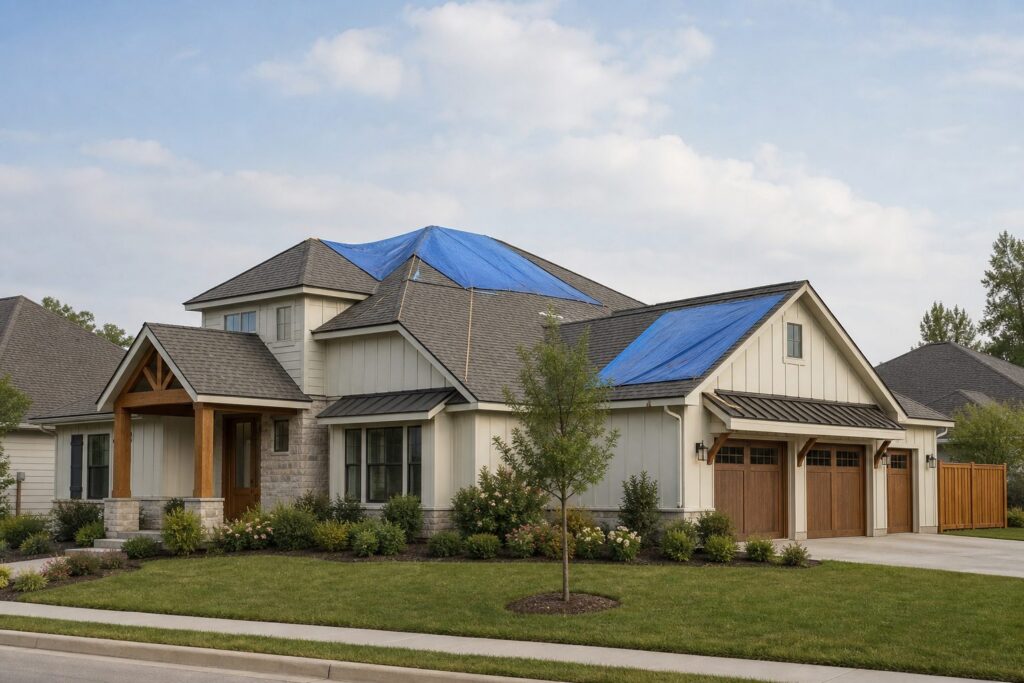
Storm Damage Repair for Tampa Homes
Harbor Test Roofing Classic provides storm damage repair for Tampa homeowners seeking clear, direct communication throughout the process.
Our team works on residential roofs affected by storms to repair damage with focused attention on your needs and questions.
What Storm Repairs Include
Storm damage repair addresses roof issues caused by wind, hail, or debris from severe weather events. The work often involves inspecting for missing or damaged shingles, checking underlayment and flashing, and replacing parts that allow leaks or structural risk. Materials usually match existing roofing to maintain protection and appearance. This service focuses on restoring affected areas without performing full roof replacement, which is covered separately. Homeowners should expect the crew to examine visible and hidden damage and explain repair options before starting. The repair process may require removal of loose materials and careful installation of new components to secure the roof against further damage.
Factors That Affect Cost
Several factors influence storm damage repair pricing. The size of the roof area needing repair is a key driver, as larger zones require more materials and labor. The extent of damage affects cost because minor repairs differ greatly from complex work involving structural components or multiple layers. The type of roofing material involved also matters, as some require more expensive or specialized replacements. Hidden damage beneath shingles or flashing can increase cost if discovered during repair. Overall, materials, labor complexity, and repair scope determine the final expense for storm damage fixes.
Job Scheduling and Duration
Scheduling for storm damage repair depends on the scope of the needed work and the current workload. Providers typically arrange visits based on assessment requirements and priority but do not promise specific turnaround times. The repair itself usually takes from several hours to a few days depending on job size and complexity. Communication about scheduling and completion keeps homeowners informed throughout. Work is planned to minimize disruption while ensuring proper repair quality.
Evidence of Reliable Service
No licensed credentials or specific credentials are available to list for Harbor Test Roofing Classic. Customers may rely on straightforward communication and local service focus. Clear updates during repair and replacement projects help homeowners stay informed. This approach provides practical proof of service quality instead of credential claims.
Signs of Roof Storm Damage
Recognizing storm damage early helps prevent leaks and roof deterioration.
- Missing shingles. Shingles blown off or absent expose the roof deck to water and debris.
- Damaged flashing. Bent, cracked, or loose flashing allows water to enter at roof joints.
- Granule loss. Excessive granules in gutters or on the ground indicate shingle wear from hail.
- Water stains. Interior water stains on ceilings or walls signal leaks from roof damage.
- Dented surfaces. Visible dents on metal flashing or vents suggest impact from hail or debris.
- Loose debris. Roof surface littered with branches or leaves can hide damage underneath.
Causes Behind Storm Damage
Storm-related roof damage usually results from high winds, hail, and airborne debris.
- High winds. Strong gusts can lift or remove shingles, breaking their adhesion.
- Hail impact. Hailstones crack or bruise shingles, reducing protective effectiveness.
- Falling debris. Branches or other objects hit roofing materials, causing physical damage.
- Water infiltration. Damaged shingles or flashing permit rainwater to reach the roof deck.
- Flashing failure. Storm stress weakens flashing seals at chimneys and vents, allowing leaks.
- Aging roof. Older roofs are more vulnerable to damage due to material wear.
Steps in Repair Service
Step one: Inspect the roof for visible and hidden storm damage.
Step two: Identify areas requiring repair or replacement.
Step three: Remove damaged materials carefully without further disruption.
Step four: Install matching shingles and flashing components.
Step five: Check repairs for secure fit and proper sealing.
Step six: Clean work areas and remove debris.
Step seven: Walk the roof with the homeowner to explain the work performed.
Common Homeowner Mistakes
Avoid actions that worsen damage or void roofing integrity before repair.
- Delaying inspection. Waiting to check roof damage can allow leaks and rot to develop.
- DIY patching. Using sealants or tar to fix leaks often causes further issues.
- Ignoring debris. Leaving branches and leaves on the roof traps moisture and hides damage.
- Temporary covers. Plastic sheets may trap moisture under shingles, worsening conditions.
- Skipping professional advice. Not consulting a roofing professional risks improper repairs and costs.
Protecting Your Roof Later
Routine maintenance helps avoid repeat roof damage following storm repairs.
- Regular inspections. Schedule roof checks after storms to spot damage early.
- Clear gutters. Keep downspouts and gutters free of debris to prevent water buildup.
- Trim nearby trees. Cut back branches that could fall and damage roofing during storms.
- Remove debris. Clear leaves and branches from the roof surface promptly.
- Prompt repairs. Address leaks or missing shingles quickly to avoid bigger problems.
Common questions
Look for missing shingles, water stains inside, or visible dents after a storm. A professional inspection can confirm damage.
The team will assess damage, remove damaged parts, install replacements, and explain the work once finished.
Storm damage repair focuses on fixing affected sections, while full roof replacement is handled separately.
Avoid patching or sealing yourself, as this may cause more issues. Keep the area safe and clear debris if possible.
You will have direct communication with the roofing crew for clear updates from inspection through completion.
Ready when you are
Get Roofing Service Today
Contact Harbor Test Roofing Classic to schedule an inspection or estimate. We explain the process clearly and answer your questions.