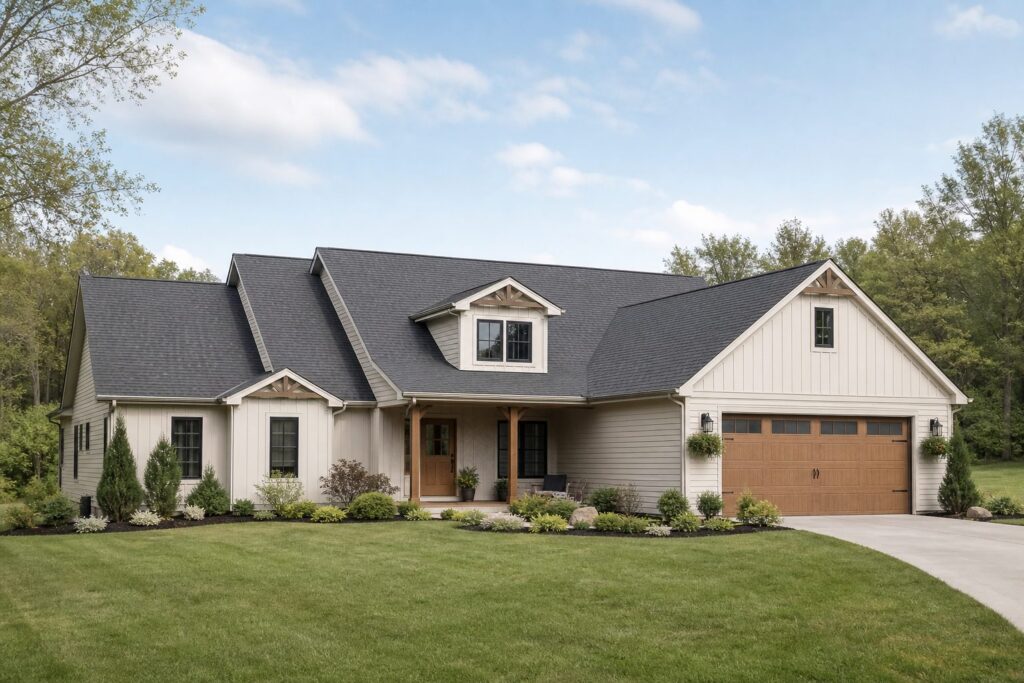
Roof Replacement in Tampa, FL
Roof replacement in Tampa requires careful inspection and material selection to ensure lasting results. This service involves removing old roofing and installing new, weather-resistant layers on your home.
Choosing the right materials and understanding the installation process helps your roof perform well and protects your home. This page covers what to expect from a roof replacement in Tampa.
Key Aspects of Roof Replacement
Roof replacement involves removing the existing roofing material and installing new layers to restore protection against the elements. The process requires attention to the roof deck, underlayment, flashing, and shingles or other surfaces.
A quality roof replacement improves your home’s durability, energy efficiency, and curb appeal. It also addresses damage such as leaks, rotting, or structural issues that the old roof may have developed.
Important Factors for Cost
The size of your roof impacts the amount of material and labor needed for replacement. Larger roofs require more time and supplies, increasing overall effort.
Material choice influences cost because options vary in durability, weight, and installation complexity. Asphalt, metal, tile, and synthetic materials all have different price ranges and handling requirements.
The condition of your existing roof can alter the scope of the project. Removing damaged or multiple layers may add steps before installing new materials.
Scheduling and Duration Details
Scheduling depends on the scope of the roof replacement and the availability of materials and crews. You will receive timing information during the planning stage.
How soon you get a reply about scheduling depends in part on the business’s communication process. They typically review the project details before confirming availability.
The length of a roof replacement varies by roof size, complexity, and weather. The process often includes removal, preparation, and new installation in a sequence.
Proof Points and Credentials
No specific credential or review information is available for this business. It is important to verify that professionals carry necessary skills for roof replacement.
A roof replacement requires skill with different roofing materials and attention to proper installation techniques. Qualified installers follow industry standards to ensure quality.
Signs of Roof Damage
Recognizing common signs helps identify when a roof replacement is necessary before more damage occurs.
- Missing shingles. Sections of roofing material are absent, exposing underlayers to damage.
- Curling edges. Shingles or tiles lift or bend at the edges, reducing water resistance.
- Interior leaks. Water stains or moisture appear inside the home, indicating roof breaches.
- Granule loss. Roof shingles lose surface granules that protect against sun damage.
- Sagging roof. Areas of the roof dip or appear uneven, suggesting structural issues.
- Moss or algae. Growth on the roof surface can hold moisture and accelerate deterioration.
Common Roof Damage Causes
Damage leading to roof replacement often results from environmental, structural, and maintenance issues.
- Weather exposure. Sun, wind, rain, and temperature changes weaken roofing materials over time.
- Poor ventilation. Inadequate airflow traps heat and moisture, causing damage to roofing layers.
- Flashing failure. Damaged flashing around vents and chimneys allows water to enter roofing.
- Old materials. Roofing beyond its lifespan loses integrity and becomes vulnerable to leaks.
- Improper installation. Previous errors in roofing installation lead to early wear and failure.
- Physical damage. Impacts from branches, hail, or debris can break or loosen roofing parts.
Roof Replacement Steps
Step one: Inspect the roof to assess existing materials and damage.
Step two: Remove old shingles or roofing layers carefully.
Step three: Prepare the roof deck and repair any damaged areas.
Step four: Install underlayment and flashing according to standards.
Step five: Lay new roofing materials and secure them properly.
Step six: Clean up debris and check the finished roof for quality.
Mistakes to Avoid Before Replacement
Certain homeowner actions can worsen roof conditions and complicate replacement.
- Ignoring small leaks. Delaying repairs lets water damage spread and may require more extensive work.
- DIY patching. Temporary fixes without proper sealing cause further roof deterioration.
- Skipping inspections. Lack of regular roof checks misses signs of damage needing quick attention.
- Using incompatible materials. Mixing roof materials without guidance can cause poor adhesion and leaks.
- Neglecting gutters. Clogged or damaged gutters promote water buildup and roofing damage.
Simple Roof Care Tips
Maintaining your roof between replacement cycles preserves its lifespan and condition.
- Regular inspections. Check your roof at least twice a year for damage or debris buildup.
- Prompt repairs. Fix leaks and damaged shingles quickly to prevent larger issues.
- Clean gutters. Ensure gutters drain properly to avoid water pooling on the roof.
- Trim tree branches. Keep limbs away from the roof to prevent damage from rubbing or falling.
- Remove moss and algae. Clear growths that trap moisture and degrade roofing surfaces.
Common questions
Cost depends on roof size, material choice, and condition of old roofing. More damage or complex materials add labor needs.
The duration varies by roof size and complexity. Scheduling depends on the project scope and material availability.
Common signs include missing shingles, leaks inside, curling edges, and visible sagging on the roof.
The process includes roof inspection, removal of old material, deck preparation, installing new layers, and final cleanup.
You should reach out when damage is visible, leaks occur, or roofing materials age beyond effectiveness.
Ready when you are
Get Roofing Service Today
Contact Harbor Test Roofing Classic to schedule an inspection or estimate. We explain the process clearly and answer your questions.